
Liturgical Studies and Sacramental Theology

University of Vienna
↳ Faculty of Catholic Theology
↳ Department of Historical Theology
↳ Liturgical Studies and Sacramental Theology
At the University of Vienna, the academic discipline of liturgical studies is closely connected with sacramental theology. The chair was established on February 8, 1967 - as recorded in the chronicle of the Faculty of Catholic Theology.
According to its self-conception, emphasis is put on a comparative historical and systematical methodology always taking into account sacramental theology.
Its main task in research and teaching is the theological and scientific reflection of the faith, as it takes shape in the history of the sacramental celebrations of the Christian service in the various ecclesial communities of the past and present.
Job Posting: University Assistant praedoctoral
A praedoc position is available in the Department of Liturgical Studies and Sacramental Theology at the Institute of Historical Theology, starting February 10, 2027.

-
Sacrosanctum Concilium, Art. 16
“The study of liturgy is considered a necessary and important subject in seminaries and religious houses, and a major subject in theological faculties. It should be approached from theological and historical perspectives as well as from spiritual, pastoral, and legal viewpoints ... .”
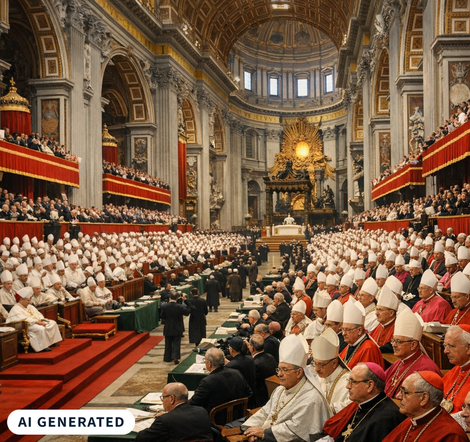
Liturgical Studies deals with the diverse forms of Christian worship (“liturgy”) and its foundations, including from an ecumenical perspective:
- Liturgical signs and symbols
- Word-centered services
- Feasts of the liturgical year
- The Liturgy of the Hours (Daily Prayer)
- Sacramental celebrations, etc.
Liturgical studies, which in our faculty is linked to sacramental theology, is understood as a theological discipline that integrates questions from exegetical, historical, systematic, legal, and pastoral perspectives:
- How have liturgical celebrations evolved over time?
- How and why have they changed?
- What is their theological significance for the present day?
- What do the texts of the liturgy and church tradition tell us about sacramental theology?
- What musical and dramaturgical means of expression are available?
To this end, liturgical studies also draws upon other non-theological disciplines, such as sociology, religious studies, archaeology, paleography, and music and art history.
Through its engagement with the liturgy—which, after Sacred Scripture, is the second source of faith within the Christian tradition—liturgical studies (and sacramental theology) make it clear that the scholarly examination of faith must also take into account the liturgical celebration of faith (lex credendi - lex orandi).
The Faculty of Catholic Theology on Social Media
Faith in the 21st century? Science at one of the world’s most historic faculties? The Faculty of Catholic Theology at the University of Vienna shows you how centuries-old tradition blends with the vibrant, modern life of central Vienna.
